אוריינות מדיה חשובה ורלוונטית לכל מורה ותלמיד.הMedia Literacy Is Important and Relevant for Every Teacher and StudentLa alfabetización mediática es importante y relevante para todo docente y estudiante
מאתByPorורד פריאנטה קורלנדרVered Pariente KurlenderVered Pariente Kurlenderפורסם לראשונהFirst publishedPublicado por primera vez2015
הידע, המיומנות והכלים שירכשו בתכנית, ״אנחנו התקשורת״, יקנו יתרון אישי לכל מורה ומורה. ויאפשרו גם מקור פרנסה חדש ונוסף במקביל להוראה, תוך ניצול המיומנויות המקצועיות של המורה.
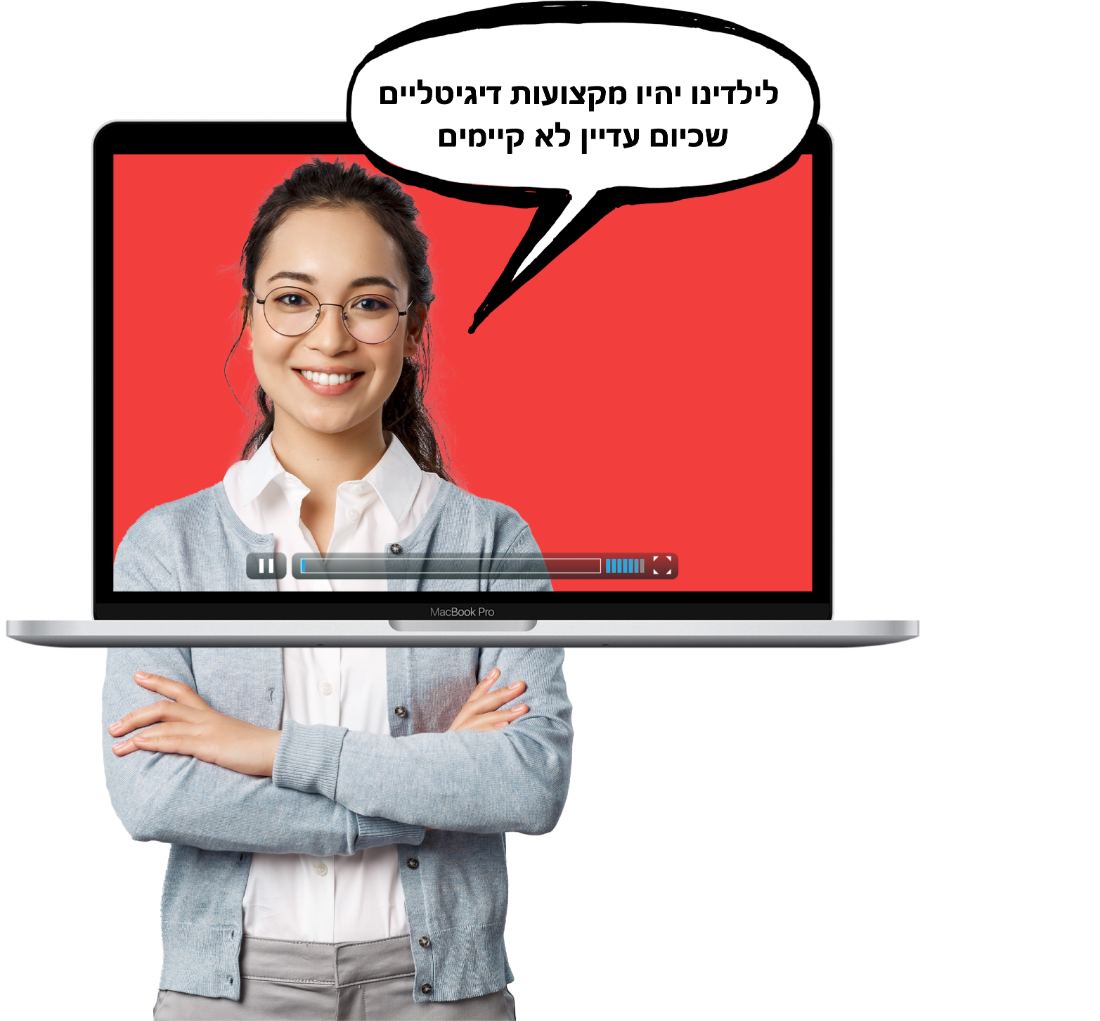
״אורינות מדיה״, הינה חשובה ורלוונטית לכל מורה ותלמיד.ה, בכל מקצוע לימוד ובית ספר. נותנת כלים רלוונטים ועדכניים למורים הרוצים להסתגל לעולם החדש, לדבר את השפה שלו ולקחת בו חלק. ללמוד להתפתח מהר כמו הטכנולוגיה ולהמשיך להיות רלוונטים ומעניינים.
העולם סביבנו משתנה וממשיך להשתנות ללא הרף בקצב מטורף בין שנרצה או לאו. זוהי המהפכה הרביעית. התלמידים בימינו הם צרכני, יצרני ומפיצי תוכן; הבעיה היא שהם הראשונים שגדלים לתוך מציאות זו ללא כלים, ללא תובנות קודמות וללא הבנת המשמעויות וההשלכות. מאמר זה נכתב מתוך הבנה שיש לתת לכך פתרון ולהכשיר דור תבוני, המבין תקשורת, בעל ידע ומיומנויות בתקשורת ומסוגל להתמודד באופן מושכל וביקורתי עם המידע המתווך במדיה, לצרוך ולהשתמש כראוי בטכנולוגיות שלה כמיומנות לחיים בעידן הדיגיטלי. האחריות בידינו – מערכת החינוך, להוביל את הילדים, להדריכם ולא להיגרר אחרי השינוי בלי להבין את כיוונו. החשוב ביותר הוא להתבונן באתגר הטכנולוגי-דיגיטלי ולקבל אחריות, ״אנחנו התקשורת״.
התלות הגוברת של כולנו באמצעי התקשורת (כצרכנים, יצרנים ומפיצים) בכל תחומי החיים, בתקופת הקורונה, רק מחזקת את הטענה כי על מערכת החינוך לקדם הטמעת אוריינות מדיה כבר בבית הספר היסודי. לתקשורת יכולה להיות השפעה חיובית או שלילית על החברה, אך אוריינות מדיה מאפשרת לתלמידים להבחין בסיכונים בלתי נמנעים הכרוכים בה, כגון מניפולציה והטיה (Namle, 2021). אוריינות מדיה מקדמת חשיבה ביקורתית וביטוי עצמי, ומאפשרת לאזרחים לממש באופן מכריע זכויות דמוקרטיות (Jeong et al., 2012). אנשים בעלי אוריינות תקשורת יכולים לנקוט עמדה ביקורתית בעת פענוח מסרים תקשורתיים, ללא קשר לדעותיהם לגבי עמדה מסוימת (Namle, 2021).
המשתלמים בה לומדים לצרוך תקשורת ותוכן באמצעי המדיה והמדיה הדיגיטלית באופן מודע, תבוני, מושכל וביקורתי. הם לומדים לייצר ולהפיק תוכן למדיה; לתכנן, לעצב ולהקים אתר ובלוג מעניינים ואטרקטיבים, שיתוף הפצה ושימוש משכיל ברשתות החברתיות, אשר יכולים לקדם כל מגמה, ותחום ידע. המורים יחברו בין המתרחש באקטואליה לנלמד בתכנית הלימודים של תחום הידע ובכך יחברו את התלמידים בין העבר להווה עם חשיבה לעבר העתיד.
הידע, המיומנות והכלים שירכשו בתכנית, ״אנחנו התקשורת״, יקנו יתרון אישי לכל מורה ומורה. ויאפשרו גם מקור פרנסה חדש ונוסף במקביל להוראה, תוך ניצול המיומנויות המקצועיות של המורה.
The knowledge, skills and tools acquired in the "We Are the Media" program will give every teacher a personal advantage, and will also open up a new, additional source of income alongside teaching, drawing on the teacher's professional skills.
Media literacy is important and relevant for every teacher and student, in every subject and every school. It provides relevant, up-to-date tools for teachers who want to adapt to the new world, speak its language and take part in it – to learn and develop as fast as technology does and to remain relevant and engaging.
The world around us is changing, and keeps changing relentlessly at a dizzying pace, whether we like it or not. This is the Fourth Revolution. Today's students are consumers, producers and distributors of content; the problem is that they are the first to grow up in this reality without tools, without prior insights and without understanding its meanings and consequences. This article was written out of the understanding that a solution must be found and that we must educate a thoughtful generation: one that understands the media, has knowledge and skills in communication, is able to deal intelligently and critically with information mediated by the media, and can consume and properly use its technologies as a life skill in the digital age. The responsibility lies with us – the education system – to lead children and guide them, rather than be dragged along by change without understanding its direction. Most important of all is to look squarely at the technological-digital challenge and take responsibility: "We Are the Media".
Our growing dependence on the media (as consumers, producers and distributors) in every area of life during the COVID-19 pandemic only strengthens the argument that the education system should promote the integration of media literacy as early as elementary school. The media can have a positive or a negative influence on society, but media literacy enables students to recognize the unavoidable risks involved, such as manipulation and bias (Namle, 2021). Media literacy promotes critical thinking and self-expression, and enables citizens to exercise their democratic rights in a decisive way (Jeong et al., 2012). Media-literate people can take a critical stance when decoding media messages, regardless of their own views on a particular position (Namle, 2021).
Participants learn to consume communication and content through the media and digital media in a conscious, thoughtful, informed and critical way. They learn to create and produce content for the media; to plan, design and build engaging and attractive websites and blogs; and to share, distribute and make educated use of social networks, which can advance any academic track or field of knowledge. Teachers will connect current events with what is taught in their subject's curriculum, thereby linking students' past and present while thinking toward the future.
The knowledge, skills and tools acquired in the "We Are the Media" program will give every teacher a personal advantage, and will also open up a new, additional source of income alongside teaching, drawing on the teacher's professional skills.
Los conocimientos, las competencias y las herramientas que se adquieren en el programa «Somos los medios» aportarán una ventaja personal a cada docente y le permitirán además disponer de una nueva fuente de ingresos complementaria a la docencia, aprovechando sus competencias profesionales.
La alfabetización mediática es importante y relevante para todo docente y estudiante, en cualquier asignatura y en cualquier centro. Ofrece herramientas pertinentes y actualizadas al profesorado que quiere adaptarse al nuevo mundo, hablar su lenguaje y participar en él; aprender a desarrollarse tan rápido como la tecnología y seguir siendo relevante e interesante.
El mundo que nos rodea cambia y sigue cambiando sin cesar a un ritmo vertiginoso, queramos o no. Es la cuarta revolución. El alumnado de hoy consume, produce y difunde contenidos; el problema es que son los primeros en crecer en esta realidad sin herramientas, sin referencias previas y sin comprender sus significados y consecuencias. Este artículo nace de la convicción de que hay que dar respuesta a esta situación y formar a una generación reflexiva, que comprenda los medios de comunicación, que tenga conocimientos y competencias comunicativas, que sea capaz de afrontar de forma sensata y crítica la información mediada por los medios y que sepa consumir y utilizar adecuadamente sus tecnologías como competencia para la vida en la era digital. La responsabilidad es nuestra –del sistema educativo–: guiar a los niños y orientarlos, y no dejarnos arrastrar por el cambio sin comprender su dirección. Lo más importante es mirar de frente el reto tecnológico y digital y asumir la responsabilidad: «Somos los medios».
La creciente dependencia de todos nosotros respecto a los medios de comunicación (como consumidores, productores y difusores) en todos los ámbitos de la vida durante la pandemia de COVID-19 no hace sino reforzar la tesis de que el sistema educativo debe impulsar la incorporación de la alfabetización mediática ya desde la educación primaria. Los medios pueden ejercer una influencia positiva o negativa en la sociedad, pero la alfabetización mediática permite al alumnado detectar los riesgos inevitables que conllevan, como la manipulación y el sesgo (Namle, 2021). La alfabetización mediática fomenta el pensamiento crítico y la expresión personal, y permite a la ciudadanía ejercer de manera decisiva sus derechos democráticos (Jeong et al., 2012). Las personas con alfabetización mediática pueden adoptar una postura crítica al descifrar los mensajes de los medios, con independencia de sus opiniones sobre una determinada posición (Namle, 2021).
Quienes participan en la formación aprenden a consumir comunicación y contenidos a través de los medios y los medios digitales de forma consciente, reflexiva, informada y crítica. Aprenden a crear y producir contenidos para los medios; a planificar, diseñar y crear webs y blogs interesantes y atractivos, y a compartir, difundir y utilizar con criterio las redes sociales, que pueden impulsar cualquier itinerario o área de conocimiento. El profesorado conectará la actualidad con lo que se estudia en el currículo de su área, y así vinculará al alumnado entre el pasado y el presente con la mirada puesta en el futuro.
Los conocimientos, las competencias y las herramientas que se adquieren en el programa «Somos los medios» aportarán una ventaja personal a cada docente y le permitirán además disponer de una nueva fuente de ingresos complementaria a la docencia, aprovechando sus competencias profesionales.