אנחנו התקשורת: אוריינות מדיה במקצועות המח״רWe Are the Media: Media Literacy in Humanities and Social Sciences Subjects«Somos los medios»: alfabetización mediática en las asignaturas de humanidades y ciencias sociales
מאתByPorורד פריאנטה קורלנדרVered Pariente KurlenderVered Pariente Kurlenderפורסם לראשונהFirst publishedPublicado por primera vez2022
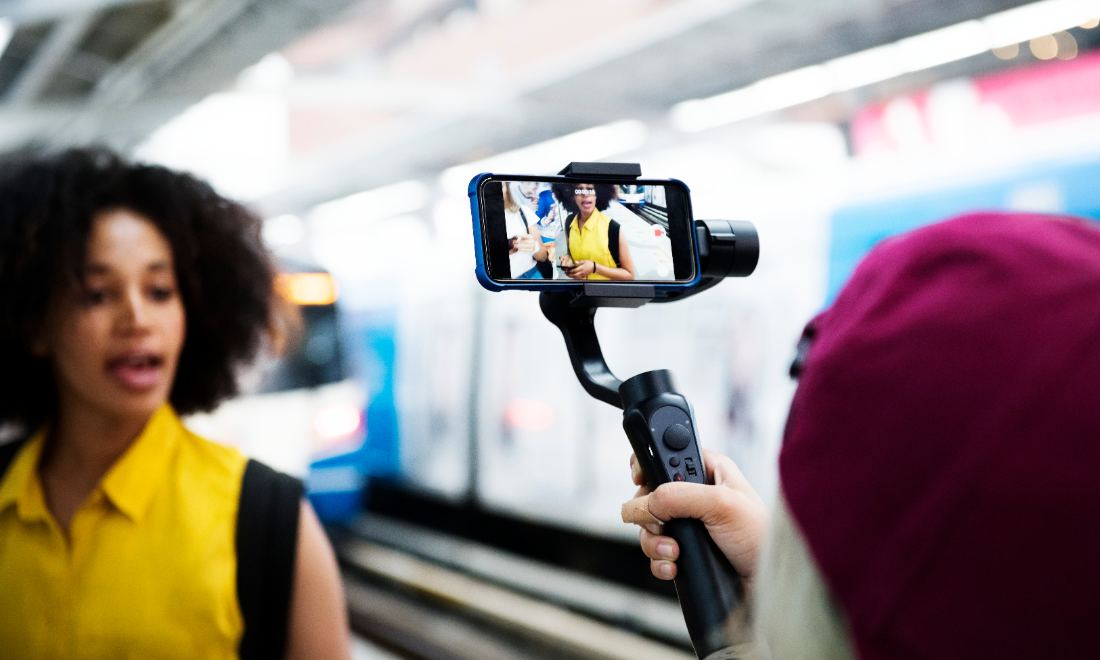
בעידן של רשתות חברתיות וידע אין סופי –אנחנו הופכים להיות התקשורת.
התלמידים בימינו, מוצפים בתוכן לצפייה, האזנה וקריאה. בכל יום יוצאת תכנה או אפליקציה חדשה ליצירת תוכן ורשת חברתית להפצתו. האם הילדים ובני הנוער מסוגלים באמת להתמודד עם כל המידע המציף אותם באופן מושכל, ולהבין אותו מבלי להיפגע ממנו? לתקשורת יכולה להיות השפעה חיובית או שלילית על החברה, אך אוריינות מדיה מאפשרת לתלמידים להבחין בסיכונים בלתי נמנעים מכך, כמניפולציה והטיה דרך התקשורת. אוריינות מדיה מקדמת חשיבה ביקורתית וביטוי עצמי ואנשים בעלי אוריינות זו יכולים לנקוט עמדה ביקורתית בעת פענוח מסרים תקשורתיים, לא משנה דעותיהם לגבי עמדה מסוימת.
באמצעות הטמעת מיומנויות של אוריינות מדיה נחזק את החשיבה הביקורתית של התלמידים ובכך נשפיע גם על גיבוש הזהות והשייכות שלהם באופן נבון ושקול יותר. תכנית זאת מתאימה לרפורמת הבגרויות של שרת החינוך, ד״ר יפעת שאשא-ביטון – מעצימים את מקצועות המח״ר, שמים אותם במרכז הלמידה.
החזון והמטרה:
הקניית כשירויות אוריינות מדיה, כחלק מתפיסה הוליסטית, הכוללת גיוס ידע, מיומנויות, עמדות וערכים שיאפשרו להתמודד עם אתגרים מורכבים במציאות המשתנה באופן הבא:
1. צריכת תוכן מהמדיה באופן ביקורתי, יצירה והפקה, שיתוף והפצת תוכן באופן מושכל ותבוני במדיה הדיגיטלית.
2. יצירת הקשרים בין תכניות הלימודים למתרחש באקטואליה באופן שיסייע לתלמידים לחבר בין העבר להווה עם יכולת הסתכלות נבונה לעבר העתיד.
המודל חותר לחבר ולקשר בין הנלמד במקצועות הזהות והשייכות לבין המתרחש באקטואליה על-מנת לגבש תפיסותיהם של התלמידים את נושא מהות תחום הידע ומעורבות שלהם בבניית משמעות על העולם באמצעות חקירה, יצירת הקשרים למתרחש באקטואליה, דיונים ועוד, שיסייעו להם ליצור את הבנותיהם על העולם.
'אנחנו התקשורת', הינו מודל להוראה המציע כלים יישומיים של אוריינות מדיה לשילוב במקצועות המח״ר (מקצועות הזהות והשייכות – רבי המלל). היוזמה גובשה מתוך הבנה שיש להכשיר דור תבוני, בעל ידע ומיומנויות בתקשורת המסוגל להתמודד באופן מושכל וביקורתי עם המידע המתווך במדיה, המהווה היום את סוכן החיברות המשמעותי ביותר עבור התלמידים.
כמעט כל נושא או אירוע שהתלמידים פוגשים באמצעות המדיה ניתן לקשר אותו לנלמד בתוכניות הלימודים. חיבור בין המרחש באקטואליה לתחומי הדעת הללו והקניית מיומנויות של אורינות מדיה על ידי כלל המורים, יגביר את מעורבות התלמיד ואת הלמידה המשמעותית ויסייע בגיבוש הזהות והשייכות שלו.
המודל חותר לחבר ולקשר בין הנלמד במקצועות הזהות והשייכות לבין המתרחש באקטואליה על-מנת לגבש תפיסותיהם של התלמידים את נושא מהות תחום הידע ומעורבות שלהם בבניית משמעות על העולם באמצעות חקירה, יצירת הקשרים למתרחש באקטואליה, בין העבר להווה עם הסתכלות לעבר העתיד, וזאת תוך כדי דיונים והעלאת מחשבות ותהיות, שיסייעו להם ליצור את הבנותיהם על העולם.
האחריות היא עלינו, להחזיר למערכת החינוך את תפקידה כסוכן חיברות המוביל, מתווך ומכווין את התלמידים בתהליכי גיבוש הזהות והשייכות שלהם.
קהלי היעד
מורים בבתי הספר היסודי לכיתות ג׳-ו׳
מורים למקצועות המח״ר בכיתות ז׳- יב׳
לאור האתגרים המורכבים של המאה ה-21 חייב להתקיים שינוי פדגוגי בבית הספר. רצוי לייצר שינוי בתפיסת ההוראה של המורים דיסציפלינריים כדי לקדם מודעות, שעל המורה המלמד תחום דעת, להקנות לתלמידיו כלים אורייניים רלוונטיים למקצוע הנלמד ולחיים בכלל. השינוי שנדרש אינו רק פדגוגי אלא גם ארגוני במטרה לאפשר הדדיות ואינטראקציות רבות ככל האפשר בין המורים הדיסציפלינריים ובין כל הגורמים האחראים לפדגוגיה הבית ספרית. הצורך במימושו ובניטורו כמתמשך וכבר-קיימה חייב שילוב בין הציר הפדגוגי לבין הציר הארגוני הבית ספרי.
In an age of social networks and limitless knowledge, we are becoming the media.
Students today are flooded with content to watch, listen to and read. Every day a new program or app for creating content, and a new social network for distributing it, is released. Are children and teenagers truly able to deal thoughtfully with all the information that floods them, and to understand it without being harmed by it? The media can have a positive or a negative influence on society, but media literacy enables students to recognise the unavoidable risks that come with it, such as manipulation and bias through the media. Media literacy promotes critical thinking and self-expression, and people with this literacy can take a critical stance when decoding media messages, regardless of their own opinions on a particular position.
By embedding media literacy skills, we will strengthen students' critical thinking and thereby also influence the formation of their identity and sense of belonging in a wiser and more considered way. This programme is aligned with the matriculation exam reform of the Minister of Education, Dr. Yifat Shasha-Biton, which empowers the humanities and social sciences subjects (Hebrew acronym "Mahar") and places them at the centre of learning.
Vision and goal:
To impart media literacy competencies as part of a holistic approach that draws on knowledge, skills, attitudes and values, enabling students to meet complex challenges in a changing reality, as follows:
1. Consuming media content critically, and creating, producing, sharing and distributing content thoughtfully and wisely in digital media.
2. Making connections between the curricula and current events in a way that helps students link the past and the present, with the ability to look wisely towards the future.
The model seeks to connect and relate what is learned in the identity and belonging subjects to current events, in order to shape students' perceptions of the essence of the field of knowledge and their involvement in constructing meaning about the world through inquiry, making connections to current events, discussions and more, all of which help them build their own understanding of the world.
"We Are the Media" is a teaching model that offers practical media literacy tools for integration into the humanities and social sciences subjects (the text-heavy identity and belonging subjects). The initiative grew out of the understanding that we must educate a thoughtful generation with knowledge and skills in media, able to deal thoughtfully and critically with the information mediated by the media, which today is the most significant agent of socialisation for students.
Almost any topic or event that students encounter through the media can be linked to what is taught in the curricula. Connecting current events with these disciplines, and the teaching of media literacy skills by all teachers, will increase student engagement and meaningful learning, and will help students form their identity and sense of belonging.
The model seeks to connect and relate what is learned in the identity and belonging subjects to current events, in order to shape students' perceptions of the essence of the field of knowledge and their involvement in constructing meaning about the world through inquiry and making connections to current events, between the past and the present with a view towards the future, all through discussion and the raising of thoughts and questions that help them build their own understanding of the world.
The responsibility lies with us to restore to the education system its role as the leading agent of socialisation, mediating and guiding students in the processes of forming their identity and sense of belonging.
Target audiences
Elementary school teachers for grades 3–6
Teachers of humanities and social sciences subjects in grades 7–12
In light of the complex challenges of the 21st century, pedagogical change must take place in schools. It is desirable to bring about a change in the teaching approach of subject-specific teachers in order to promote the awareness that a teacher of a discipline should give students literacy tools relevant both to the subject being taught and to life in general. The change required is not only pedagogical but also organisational, with the aim of enabling as much reciprocity and interaction as possible between subject-specific teachers and all those responsible for the school's pedagogy. For this change to be implemented and monitored as ongoing and sustainable, the school's pedagogical axis and organisational axis must be integrated.
En la era de las redes sociales y del conocimiento infinito, nos estamos convirtiendo en los medios.
El alumnado de hoy está inundado de contenidos para ver, escuchar y leer. Cada día aparece un nuevo programa o aplicación para crear contenidos y una nueva red social para difundirlos. ¿Son los niños, niñas y adolescentes realmente capaces de afrontar de forma reflexiva toda la información que los desborda, y de comprenderla sin salir perjudicados? Los medios pueden ejercer una influencia positiva o negativa en la sociedad, pero la alfabetización mediática permite al alumnado detectar los riesgos inevitables que ello conlleva, como la manipulación y el sesgo a través de los medios. La alfabetización mediática fomenta el pensamiento crítico y la expresión personal, y las personas con esta alfabetización pueden adoptar una postura crítica al descodificar mensajes mediáticos, independientemente de su opinión sobre una postura determinada.
Mediante la integración de las competencias de alfabetización mediática reforzaremos el pensamiento crítico del alumnado y, con ello, influiremos también en la construcción de su identidad y su sentido de pertenencia de un modo más sensato y reflexivo. Este programa se ajusta a la reforma de los exámenes de bachillerato de la ministra de Educación, la Dra. Yifat Shasha-Biton, que refuerza las asignaturas de humanidades y ciencias sociales (acrónimo hebreo «Mahar») y las sitúa en el centro del aprendizaje.
Visión y objetivo:
Desarrollar competencias de alfabetización mediática dentro de un enfoque holístico que movilice conocimientos, destrezas, actitudes y valores que permitan afrontar retos complejos en una realidad cambiante, de la siguiente manera:
1. Consumir contenidos de los medios de forma crítica, y crear, producir, compartir y difundir contenidos de forma reflexiva y sensata en los medios digitales.
2. Establecer conexiones entre los programas de estudio y la actualidad de manera que ayuden al alumnado a vincular el pasado con el presente, con la capacidad de mirar con sensatez hacia el futuro.
El modelo aspira a conectar y relacionar lo que se aprende en las asignaturas de identidad y pertenencia con la actualidad, a fin de formar las percepciones del alumnado sobre la esencia del área de conocimiento y su implicación en la construcción de significado sobre el mundo mediante la indagación, el establecimiento de vínculos con la actualidad, los debates y otras actividades que les ayuden a construir su propia comprensión del mundo.
«Somos los medios» es un modelo didáctico que ofrece herramientas prácticas de alfabetización mediática para integrarlas en las asignaturas de humanidades y ciencias sociales (las asignaturas de identidad y pertenencia, con gran carga de texto). La iniciativa nació de la convicción de que es necesario formar una generación reflexiva, con conocimientos y competencias en comunicación, capaz de afrontar de forma sensata y crítica la información mediada por los medios, que hoy constituyen el agente de socialización más importante para el alumnado.
Casi cualquier tema o acontecimiento con el que el alumnado se encuentra a través de los medios puede vincularse con lo que se estudia en los programas. Conectar la actualidad con estas áreas de conocimiento y que todo el profesorado enseñe competencias de alfabetización mediática aumentará la implicación del alumnado y el aprendizaje significativo, y contribuirá a la construcción de su identidad y su sentido de pertenencia.
El modelo aspira a conectar y relacionar lo que se aprende en las asignaturas de identidad y pertenencia con la actualidad, a fin de formar las percepciones del alumnado sobre la esencia del área de conocimiento y su implicación en la construcción de significado sobre el mundo mediante la indagación y el establecimiento de vínculos con la actualidad, entre el pasado y el presente y con la mirada puesta en el futuro, todo ello a través del debate y del planteamiento de reflexiones e interrogantes que les ayuden a construir su propia comprensión del mundo.
La responsabilidad es nuestra: devolver al sistema educativo su papel como agente de socialización que lidera, media y orienta al alumnado en los procesos de construcción de su identidad y su sentido de pertenencia.
Destinatarios
Profesorado de educación primaria de 3.º a 6.º curso
Profesorado de asignaturas de humanidades y ciencias sociales de 7.º a 12.º curso
Ante los complejos retos del siglo XXI, es imprescindible un cambio pedagógico en la escuela. Conviene propiciar un cambio en la concepción de la enseñanza del profesorado de cada disciplina para promover la conciencia de que el docente que imparte un área de conocimiento debe proporcionar a su alumnado herramientas de alfabetización pertinentes tanto para la asignatura como para la vida en general. El cambio necesario no es solo pedagógico, sino también organizativo, con el objetivo de favorecer la máxima reciprocidad e interacción posible entre el profesorado de las distintas disciplinas y todos los responsables de la pedagogía del centro. Para que este cambio se implante y se supervise de forma continua y sostenible, es necesario integrar el eje pedagógico y el eje organizativo del centro.